We arrived in Luxor fresh off the Nile Cruise and immediately understood why every Egypt itinerary eventually bends toward this city. Luxor sits on the bones of ancient Thebes — Egypt’s greatest capital — and three days here, entirely self-guided and mostly off the tour group timetable, took us from the most colossal columns on earth to tombs so vividly painted that the 3,000-year gap felt almost irrelevant.
This guide covers everything: the famous sites, what to do between them, and the practical layer underneath — transport, money, safety, and the one thing everyone regrets at the Valley of the Kings.
✍️ How to Use This Guide
This is the main Luxor travel guide — covering Karnak Temple, the Avenue of Sphinxes, Luxor Temple, the Temple of Hatshepsut, the Valley of the Kings, the Colossi of Memnon, and practical Luxor essentials: transport, money, safety, where to stay, what to eat, and how to spend an unscheduled afternoon on the Nile. It draws on three days of self-guided exploration with no pre-booked tours.
The off-the-beaten-path West Bank trio — Deir el-Medina, the Tombs of the Nobles, and Medinet Habu — are covered separately in the companion guide: Luxor’s West Bank Hidden Treasures (2026). The two guides are designed to be read together.
📋 Table of Contents
I. Luxor at a Glance: Two Banks, Three Days
The Nile divides Luxor into two entirely different worlds, and that division is the first thing to understand before you plan a single visit. The East Bank belongs to the living — massive public temples built to honour gods and project royal power, still standing in the middle of a functioning city. The West Bank belongs to the dead — royal tombs, artisan villages, and mortuary temples cut into limestone cliffs that face the setting sun, exactly as intended 3,000 years ago.
| Site | Bank | Time Needed | Best Time to Visit |
|---|---|---|---|
| Karnak Temple | East | 2.5–3 hours | Afternoon — crowds thin after 2 p.m. Some columns still hold original colour in shelter. |
| Avenue of Sphinxes | East (connecting) | 45–60 min walk | Early morning or evening — midday sun is punishing on an exposed 2.7 km walk. |
| Luxor Temple | East | 1.5–2 hours | Dusk and after dark. Open until 9 p.m. Floodlighting transforms it. |
| Temple of Hatshepsut | West | 1.5–2 hours | Around 11 a.m. — tour convoys have cleared. Electric tram from the car park. |
| Valley of the Kings | West | 2.5–3 hours | 11 a.m. — same logic as Hatshepsut. Tombs are cool underground regardless of heat. |
| Colossi of Memnon | West | 15–20 minutes | On the way back from the West Bank. Free entry. A stop, not a destination. |
💡 The Three-Day Structure That Works
- Day 1 (from 3 p.m.): Arrive off the Nile Cruise. Head straight to Karnak — if the boat docks early enough, do it same-day. Then Luxor Temple at dusk.
- Day 2 (from 11 a.m.): West Bank — hotel driver for Hatshepsut first, then Valley of the Kings, Colossi of Memnon on the return. Starting at 11 a.m. sidesteps the tour convoy rush without sacrificing any of the experience (the tombs are underground and cool).
- Day 3: The off-the-beaten-path West Bank sites — Deir el-Medina, Tombs of the Nobles, and Medinet Habu — covered fully in the companion guide.
II. Getting Around: Drivers, Taxis & the Hotel Advantage
There Is No Uber in Luxor
Luxor runs on taxis and privately arranged drivers. There is no Uber. This is one of the most important practical differences between Luxor and Cairo, and it shapes how you plan every sightseeing day. The good news is that the solution is simple and the prices are very reasonable.
Book Your Driver Through the Hotel
For any multi-stop day — especially on the West Bank, where Hatshepsut, the Valley of the Kings, and the ticket office are spread across a large area — arrange your car through the hotel rather than flagging someone down on the street.
The practical reason is language and briefing: hotel staff speak English and will explain your full itinerary to the driver before you leave, covering the correct order of stops, the waiting arrangements, and the price. Street drivers, however friendly, often have limited English, and communicating a multi-site West Bank itinerary at the roadside is an avoidable source of confusion.
We arranged our West Bank day through the hotel hostess for $20 — a driver who picked us up, waited at both Hatshepsut and the Valley of the Kings, and brought us back with a Colossi of Memnon stop on the way. It ran without a single problem. The hotel bundled it, briefed the driver, and we simply got in the car.
💡 Bundle for Better Value
Hotels in Luxor often bundle services into simple packages. Our owner offered a deal that included the off-the-beaten-path West Bank day, a sunset Nile boat to Banana Island, and our airport transfer the following morning — all for $50. Ask what combinations are available when you check in; the savings and convenience over arranging each piece separately are real.
Getting Between the Banks
A bridge connects both banks for cars. For organised West Bank days, your hotel driver handles this automatically. For independent East Bank movement — between Karnak, Luxor Temple, the Corniche, and your hotel — Luxor is compact enough to walk many routes or cover short distances by taxi. Negotiate fares before you get in, carry small notes (20 EGP and below), and use the price your hotel quoted as your reference point.
Horse Carts: Genuine but Negotiate Everything First
You will be offered horse cart rides constantly — presented as “premium Ferrari rides” for a dollar, sometimes with the word Ferrari used with complete sincerity. Horse carts are a legitimate Luxor institution and a genuinely pleasant way to roll past Luxor Temple and the city centre in the evening. They are not, however, reliable transport for specific sightseeing. If you take one, agree the price, the route, and who is paying before the cart moves — and confirm it with the driver directly if anyone else arranged the ride on your behalf.
III. Safety, Scams & Money
Is Luxor Safe?
Yes. We walked Luxor for three days, including local markets and evening Corniche walks, entirely without incident and without a guide or minder. The city is busy and unapologetically persistent in its offers of services — rides, tours, perfume shops, “just to look” invitations — but the risk is minor commercial pressure, not physical threat. Understanding that distinction before you arrive makes the city immediately manageable rather than exhausting.
The phrase that unlocks comfortable solo travel in Egypt: “La, Shukran” — No, thank you. Delivered calmly and without breaking stride, it is respected. Engaging with the offer, even to decline, tends to extend it. Say it once, keep walking, and the exchange is over in three seconds.
💡 Crossing the Street
Luxor traffic, like Cairo traffic, does not stop for pedestrians. Walk steadily, do not hesitate, and do not run. Confidence is the signal that tells traffic how to flow around you. If you freeze, the system breaks. Shadow a local for your first crossing and the pattern becomes readable immediately. By day three it is automatic.
Commission Culture
When someone approaches you with unusual helpfulness — offering unsolicited directions, insisting they work at your hotel, volunteering as a guide, steering you toward a particular shop — they are almost always operating on commission from whoever’s door they get you through. This is not malicious. It is the street economy of a tourist city. The solution is the same as everywhere in Egypt: be warm, be firm, and keep moving.
The one group tour pitfall we experienced first-hand: after Karnak, our guide took us to a perfume shop before Luxor Temple. This is a classic commission stop. If you’re self-guided, you never have to go.
Money in Luxor
Cash is the operating currency of everyday Luxor. Hotels and some restaurants take cards; the market, taxis, tipping, entrance donations, and anything street-facing runs on cash. ATMs are available but not abundant on the West Bank — withdraw what you need on the East Bank before crossing. Always carry a stash of 5, 10, and 20 EGP notes. Paying 200 EGP for a 15-EGP taxi fare with nothing smaller creates awkward delays and occasional disputes over whether change is available.
| Situation | What to Know |
|---|---|
| Taxis | Always agree the price before you get in. No meters. Hotel-quoted rates are your reference. |
| Small notes | Carry 5, 10, 20 EGP constantly. Large bills cause problems at every small transaction. |
| Tipping (baksheesh) | Expected at sites for guards who illuminate scenes or provide commentary. 20–50 EGP depending on value. |
| ATMs | East Bank has them near hotels and banks. West Bank options are limited. Withdraw before crossing. |
| Hospitality | Genuine warmth is real in Luxor. Our hotel owner gave us early check-in and a quiet back room unprompted. Accept hospitality without suspicion — it is usually exactly what it appears to be. |
IV. Karnak Temple: The Largest Religious Complex on Earth
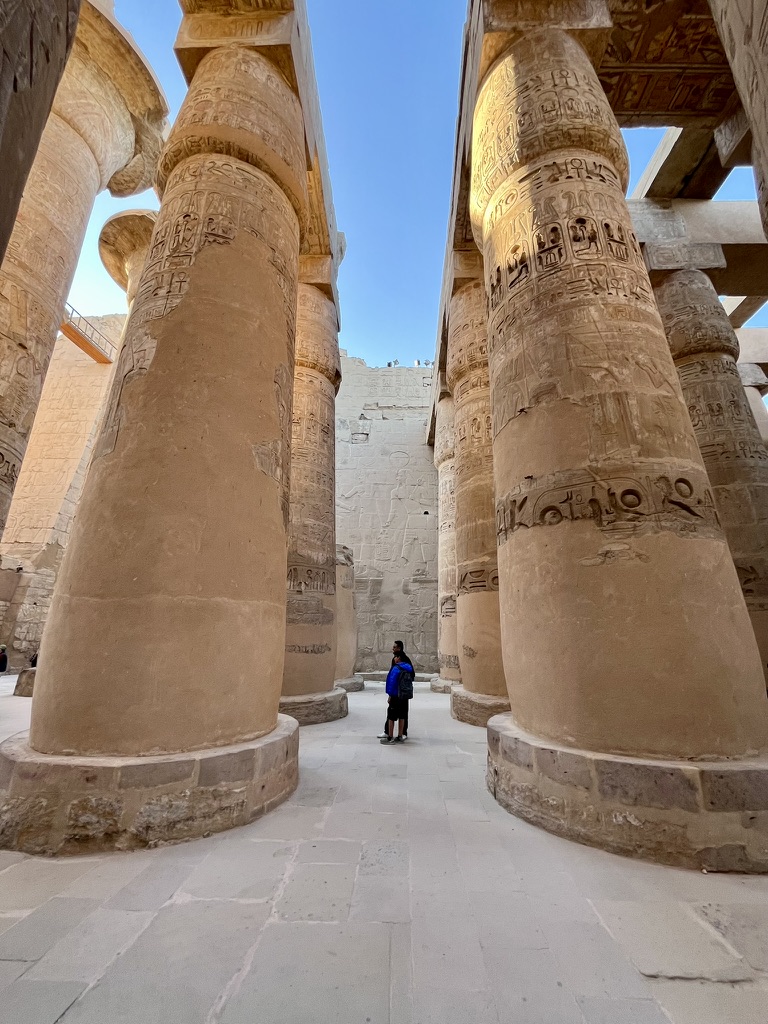
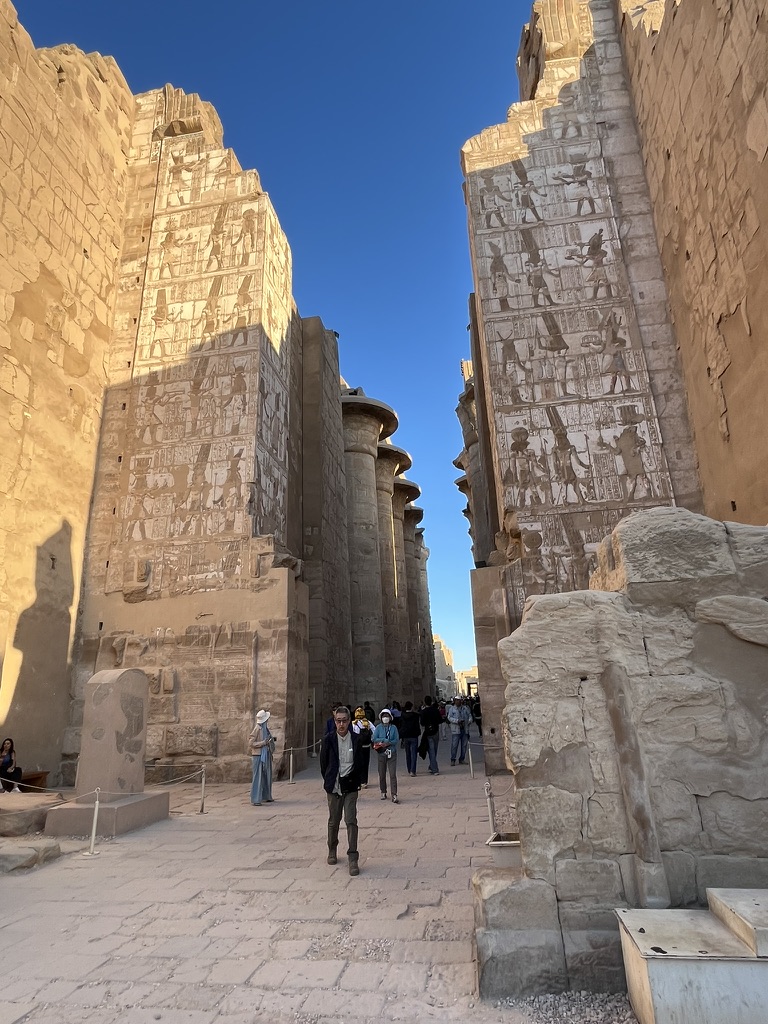
Karnak is not a temple. It is a city of temples — 200 acres of pylons, hypostyle halls, sanctuaries, obelisks, and processional avenues built up over 2,000 years by successive pharaohs, each adding to or rebuilding what came before. The scale is not just impressive in the way that large buildings are impressive. It is actively disorienting. You walk in and keep finding more.
The Great Hypostyle Hall contains 134 columns, the tallest nearly 24 metres high, arranged in rows so close that losing a companion between them is entirely possible. The columns sheltered from the sun still carry their original polychrome decoration — ochre, red, blue, green — and standing beneath them, looking up, your mind stops processing history and starts processing engineering. People built this. By hand. Thousands of years ago. And it has stood.
The Sacred Lake and the Scarab
Beyond the main temple precincts, Karnak’s Sacred Lake is a large rectangular pool used for ritual purification by the ancient priesthood. On its bank sits a large granite scarab — a symbol of the god Khepri, representing the rising sun and transformation. Walking around it seven times is the traditional request of every guide who brings visitors here, on the grounds of luck. Whether it works or not, it produces a smile, and in a site of this scale and weight, that is worth something.
| Detail | Information |
|---|---|
| Size | Over 200 acres. Allow minimum 2.5 hours; 3 hours for a thorough visit. |
| Must-See | Great Hypostyle Hall (134 columns); Sacred Lake & granite scarab; obelisks of Hatshepsut and Thutmose I; the remaining dirt ramp pile near the eastern statues |
| Crowds | Heaviest 8–11 a.m. with cruise ship convoys. Meaningfully thinner from 2–3 p.m. onward. |
| Guide Worth It? | Yes for a first visit. Two thousand years of construction across 30+ pharaohs is genuinely difficult to contextualise alone. Even a 45-minute guided orientation followed by independent wandering is worthwhile. |
V. The Avenue of Sphinxes: Don’t Make Our Mistake
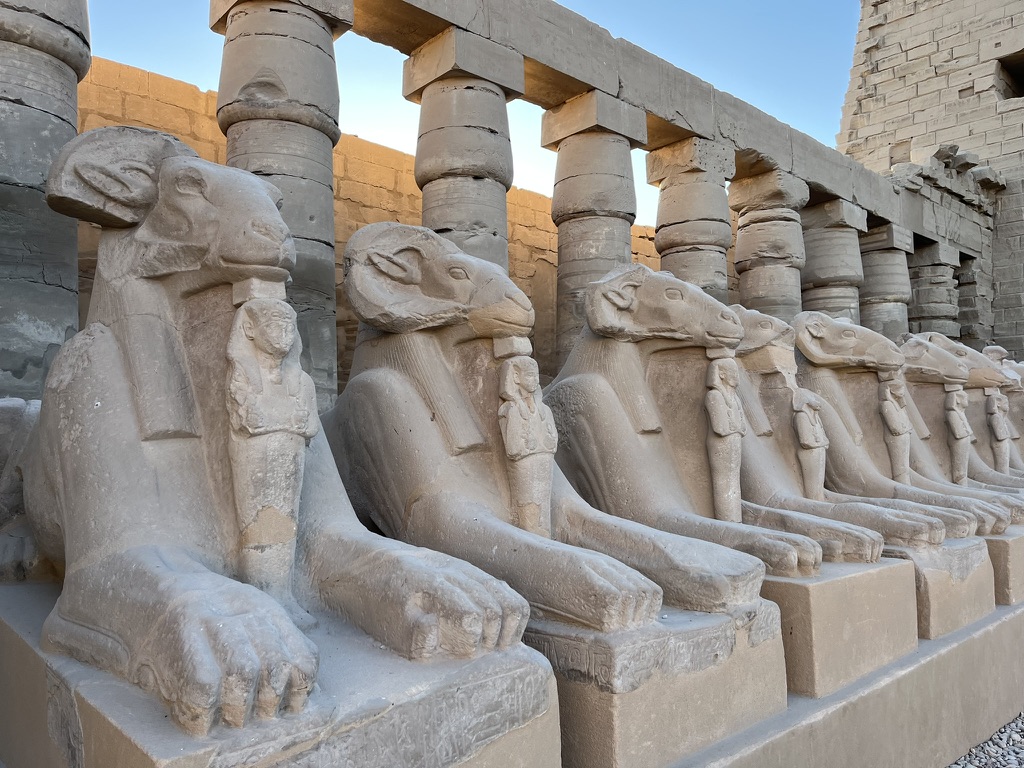
A 2.7 km processional avenue of sphinx statues connects Karnak Temple to Luxor Temple — the route ancient Egyptians walked during the Opet Festival, when the statue of Amun-Ra was carried in procession between the two temples each year. The avenue was excavated and restored over recent decades and is now fully walkable, with sphinxes lining both sides of a pedestrian corridor the entire length.
Walking it takes 45–60 minutes. The experience is best in the early morning or late afternoon — the Luxor sun at midday is genuinely punishing over 2.7 km of open stone, and the low-angle light brings out the depth and texture of the sphinxes in a way that direct overhead sun flattens entirely. Walking south from Karnak in the late afternoon, arriving at Luxor Temple as the floodlights come up, is one of the best single sequences of experiences in Luxor and costs nothing beyond the temple tickets.
⚠️ The Group Tour Trap
On our visit, after Karnak the guide took us to a perfume shop — a commission stop — and then directly to Luxor Temple by car. The Avenue of Sphinxes was skipped entirely. This is standard group tour practice and it is a genuine loss. If you are self-guided, walk the avenue. It connects two of the greatest temples in the world through a corridor that has been sacred for 3,000 years. That connection deserves to be felt on foot, not glimpsed from a car window.
VI. Luxor Temple: Go at Dusk
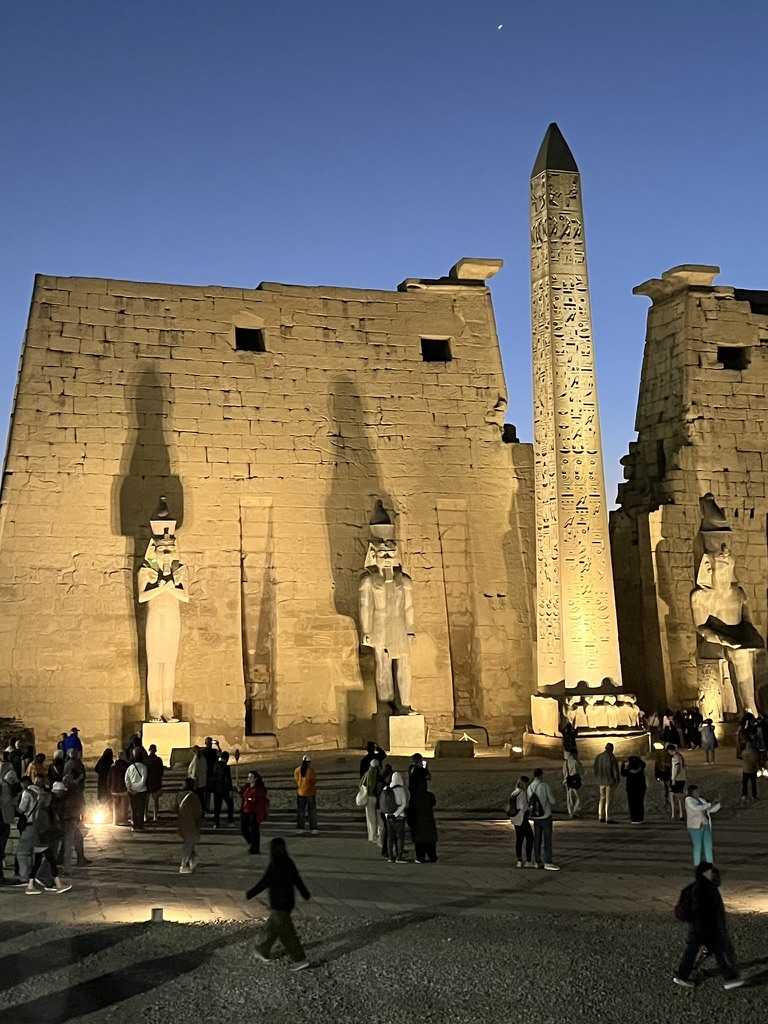
Luxor Temple is smaller and more intimate than Karnak, and it is best not at noon but at dusk — when the floodlighting activates and the stone takes on a warmth that daytime photography never captures. We arrived by evening on our first day in Luxor, and the effect was immediate: the temple glowing in the evening air, the single obelisk at the entrance throwing a long shadow across the forecourt, the colossal seated Ramesses figures on either side of the entrance reading as monumental even at a distance.
The Obelisk and the Paris Story
At the entrance stands one obelisk. There used to be two. Muhammad Ali Pasha offered both to King Louis-Philippe of France. Louis-Philippe accepted, then declined the second on the grounds of a minor imperfection. The first obelisk left for Paris and now stands in the Place de la Concorde. Luxor kept the second.
If you’ve seen the Paris obelisk, you’ll recognise it immediately here — same scale, same red granite, same hieroglyphics. The one in Paris retained its gold pyramidion; Luxor’s was stolen long ago. It’s a strange, quietly funny piece of history to hold in your head as you stand at the entrance of a 3,400-year-old temple in the Egyptian evening.
| Detail | Information |
|---|---|
| Best Time | Dusk onward. Open until 9 p.m. — one of the latest closing times of any major site in Egypt. |
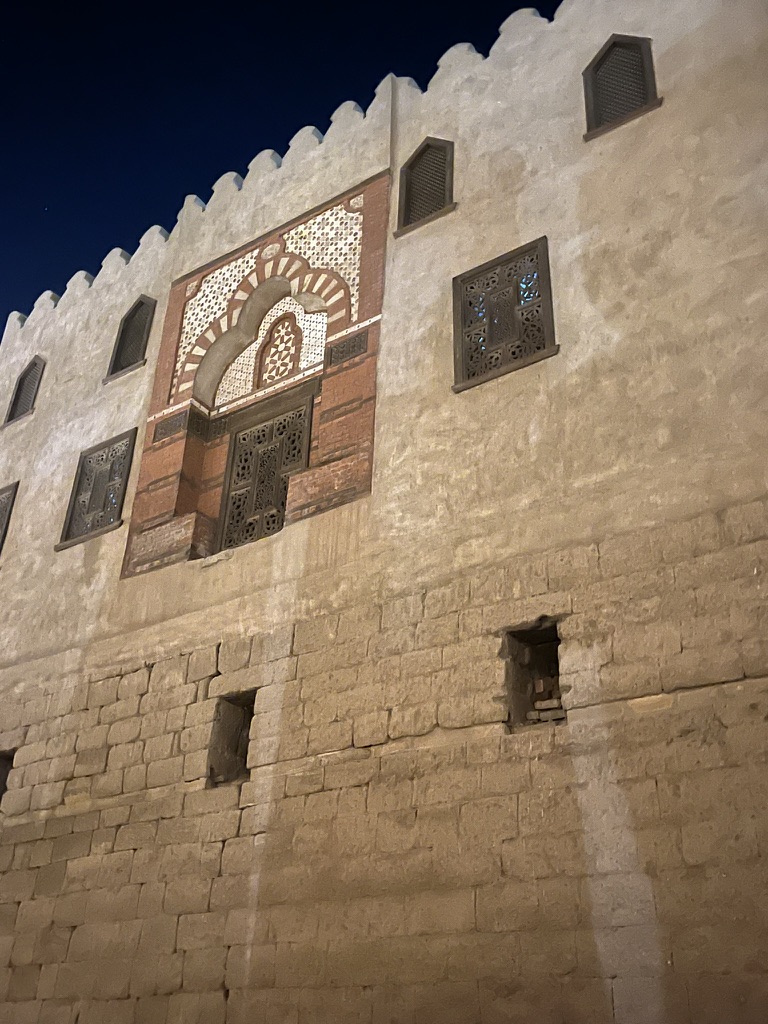
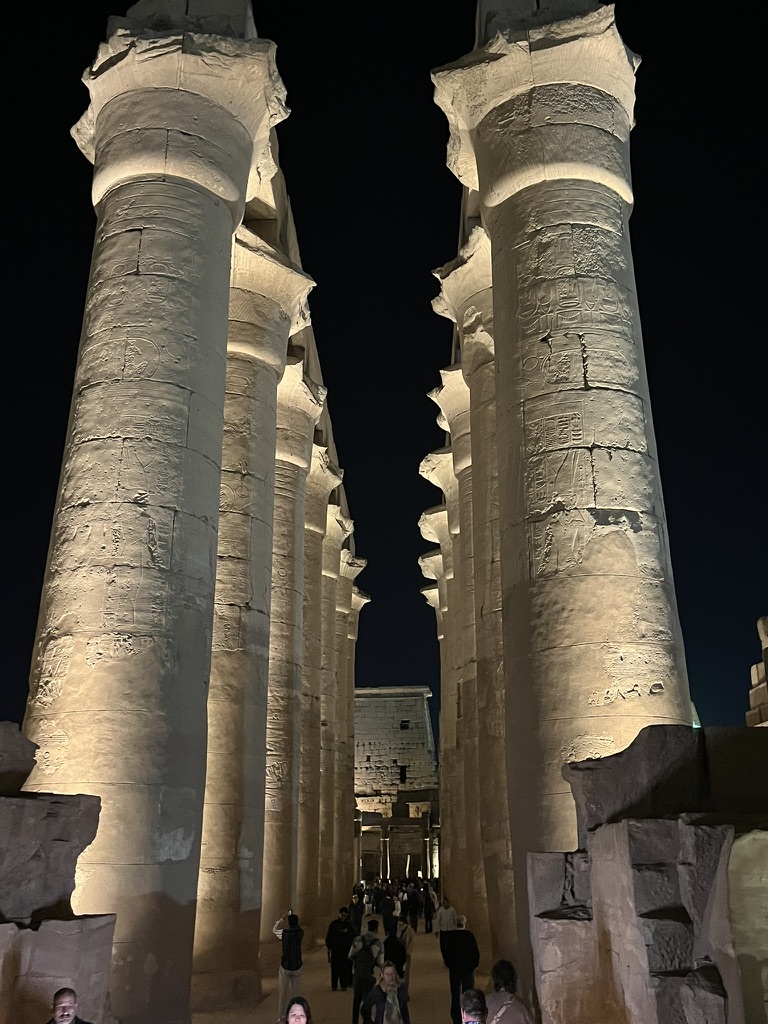
| Must-See | The obelisk and Ramesses colossi at the entrance; the colonnade of Amenhotep III; the inner sanctuary with Roman and Islamic layers visible |
| Approach Option | Walk the Avenue of Sphinxes from Karnak and enter from the north — the historically correct approach and the most atmospheric arrival |
| Location | Central East Bank, directly on the Corniche. Walkable from most East Bank hotels. |
| Evening Strategy | Finish the West Bank in the afternoon, rest at your hotel, have an early dinner, then head to Luxor Temple for the floodlit evening. The late opening makes this sequence entirely achievable. |
VII. Temple of Hatshepsut: Arrive at 11 a.m.
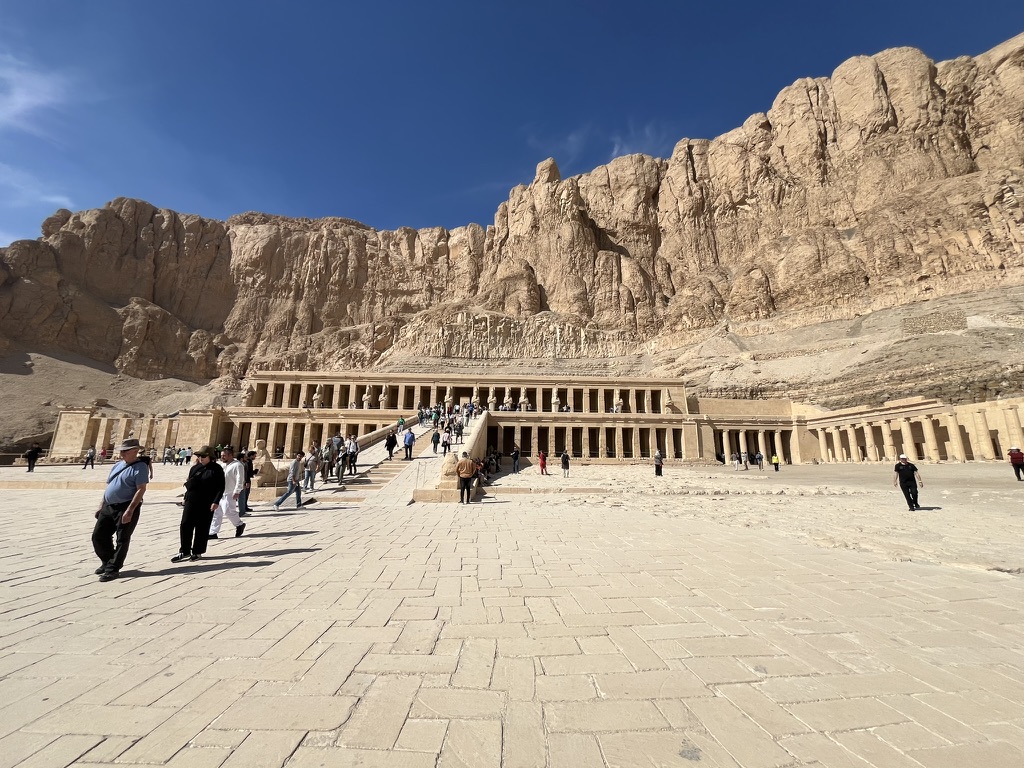
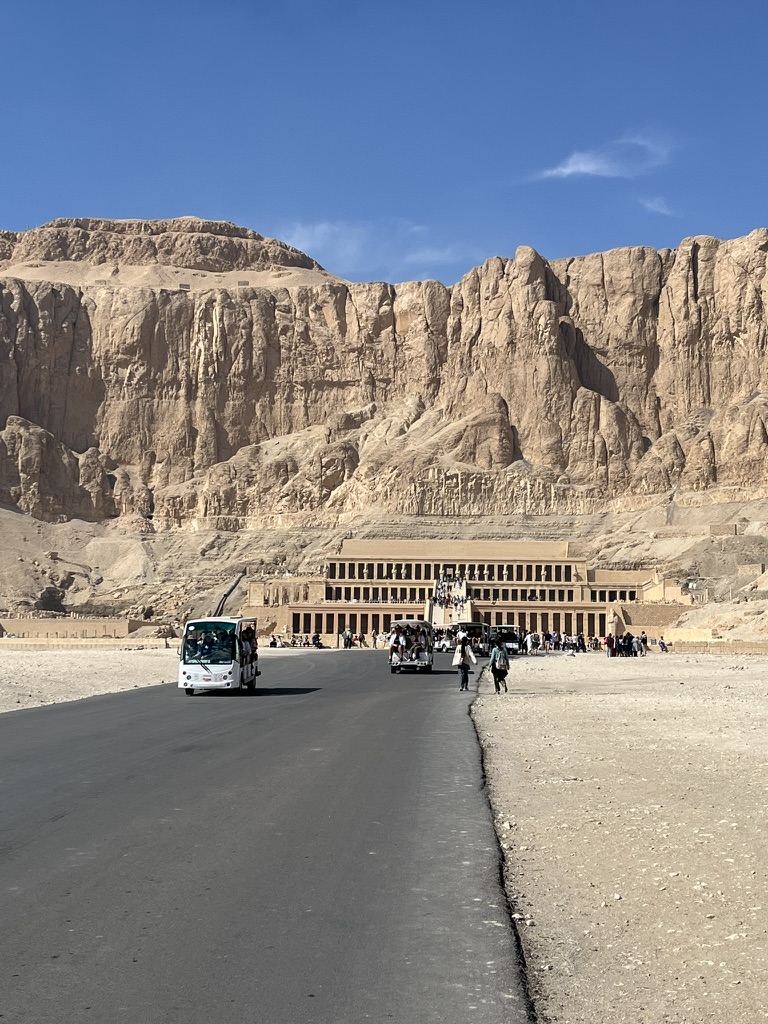
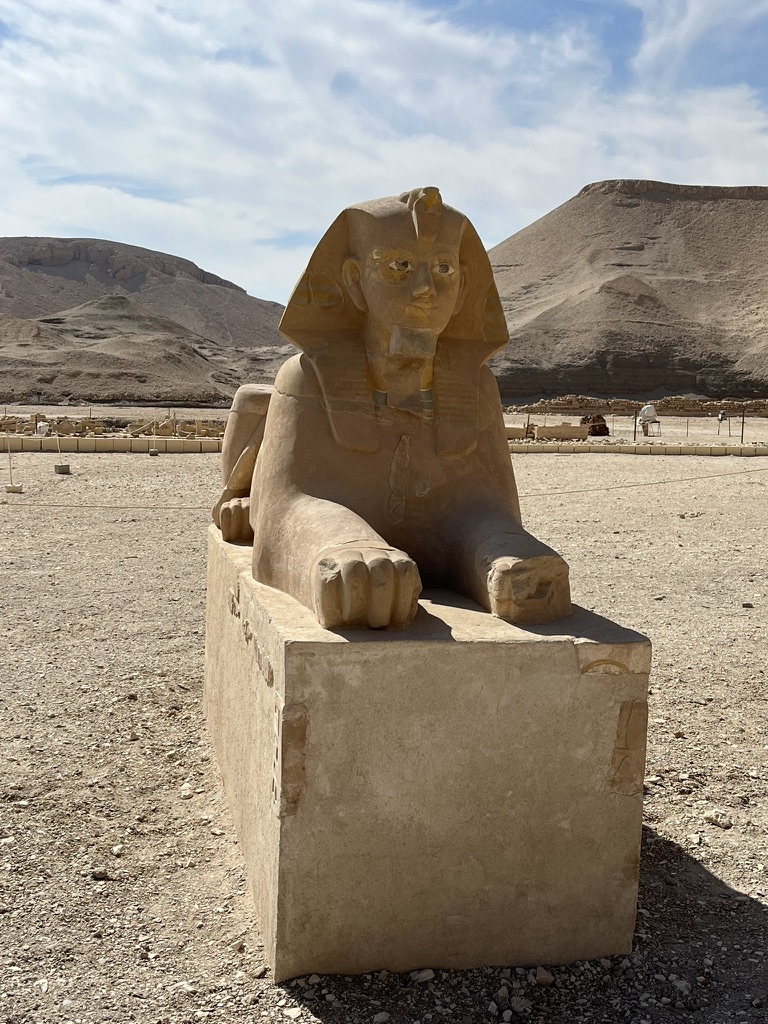
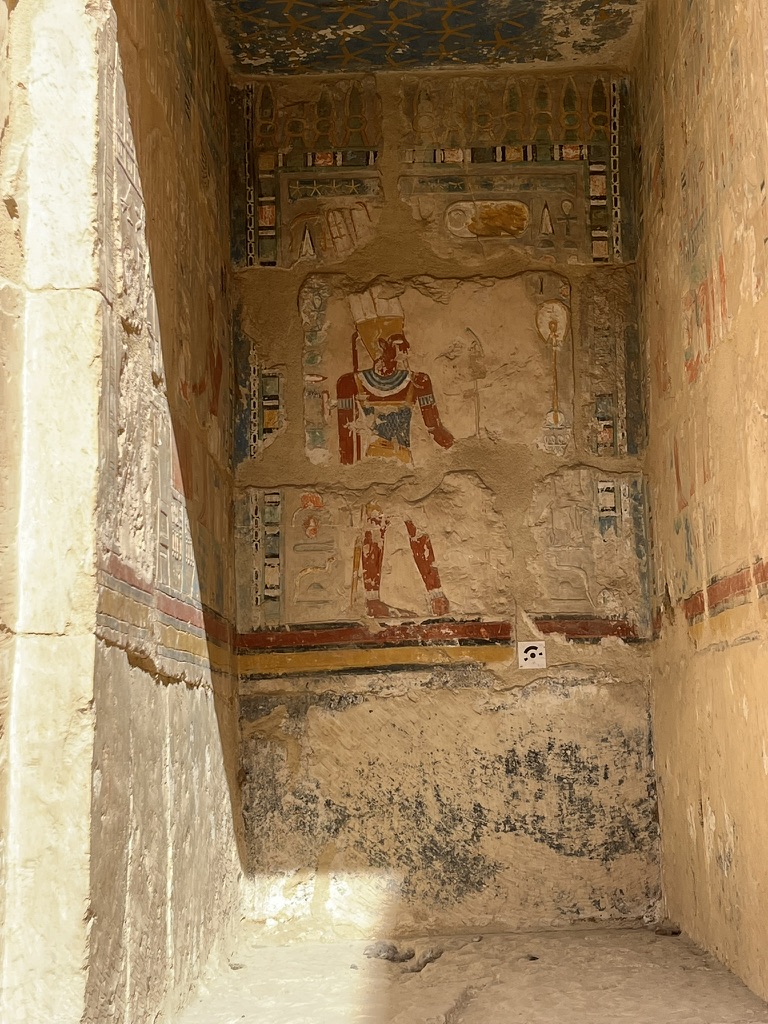
The first glimpse of Hatshepsut’s mortuary temple stops you. It emerges from the cliff face as if it was designed to grow from it — three wide terraces of perfect symmetry rising against a sheer wall of pale limestone, the architecture entirely unlike anything else in Egypt. No pylons, no towering columns, no massive gateway. Just horizontal precision, the geometry of the building echoing the natural stratification of the cliff behind it.
Hatshepsut was Egypt’s most successful female pharaoh. She ruled for more than twenty years while officially presenting as male — depicted in the double crown and ceremonial beard in official reliefs. Her successor, Thutmose III, attempted to erase her from history: name chiselled from inscriptions, statues smashed, images painted over. None of it worked. We remember Hatshepsut. His name is a footnote in hers.
| Detail | Information |
|---|---|
| Best Time | Around 11 a.m. Tour groups arrive from 7–10 a.m. and mostly move on by mid-morning. |
| Must-See | The Punt Colonnade (painted record of an ancient Egyptian trading expedition); the partially restored Hatshepsut reliefs; upper terrace views of the cliffs |
| Getting There | Hotel driver to the car park; electric tram from car park to temple entrance is included in the ticket |
| Time Needed | 1.5–2 hours for both terraces and inner sanctuaries |
| Sequence | Do Hatshepsut before the Valley of the Kings on the same West Bank half-day. It handles the crowds better earlier in the window; the Valley handles them better from 11 a.m. on. |
VIII. Valley of the Kings: Tombs, Tickets & the Right Sequence
The Valley of the Kings is a hidden limestone valley in which Egypt’s New Kingdom pharaohs were buried over nearly 500 years, from Thutmose I to Ramesses XI. There are 63 known tombs. The standard ticket covers three. The decision you make at the ticket window — which three to choose, and whether to buy the optional KV9 add-on — determines much of the quality of the experience. This section tells you exactly what to buy and in what order to see it.
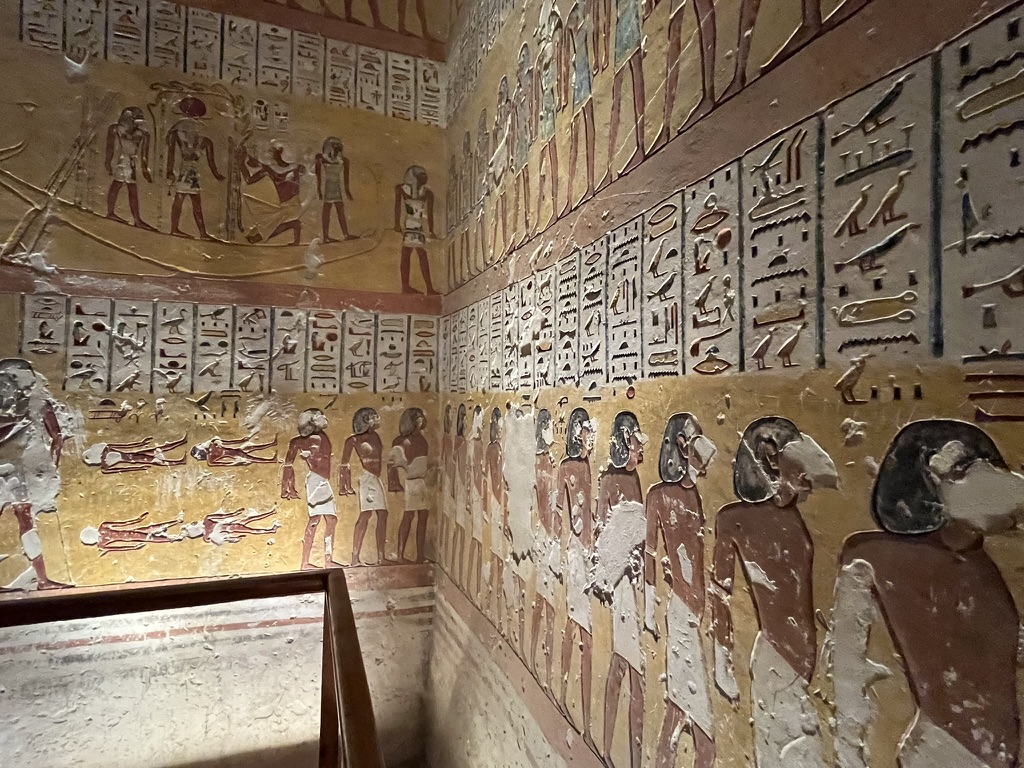
The single most important thing to know before you arrive: entering a royal tomb for the first time, after days of temples, is a genuine revelation. Temples are about surfaces — open-air, sun-bleached, the grandeur of scale. Tombs are about what is inside: descending corridors sealed from light and air for 3,000 years, the paintings as vivid as the day they were finished, the ceilings covered in figures and astronomical constellations, the scale suddenly intimate and enclosed. Nothing else in Egypt produces that shift.
⚠️ Eat Before You Come. The Cafeteria Is Not a Meal.
The on-site cafeteria at the Valley of the Kings sells chips, biscuits, and overpriced drinks. That is essentially the complete offering. If you arrive hungry and plan to spend 2.5–3 hours inside the tombs, you will be very hungry by the time you finish. This is the single most repeated practical regret of first-time visitors to the Valley. Eat a full lunch before coming, or pack food. There is no exception to this rule.
Understanding the Ticket System
The standard ticket covers entry to three tombs of your choice from the current open rotation. Not all 63 tombs are accessible simultaneously — the rotation manages conservation pressure. A small number of exceptional tombs require separate add-on tickets: KV9 is the one most worth buying. KV62 (Tutankhamun’s tomb) is a separate ticket; the mummy is here but all his treasures are now at the Grand Egyptian Museum in Giza. Decide your combination before you reach the ticket window.
The Tombs — What to See and in What Order
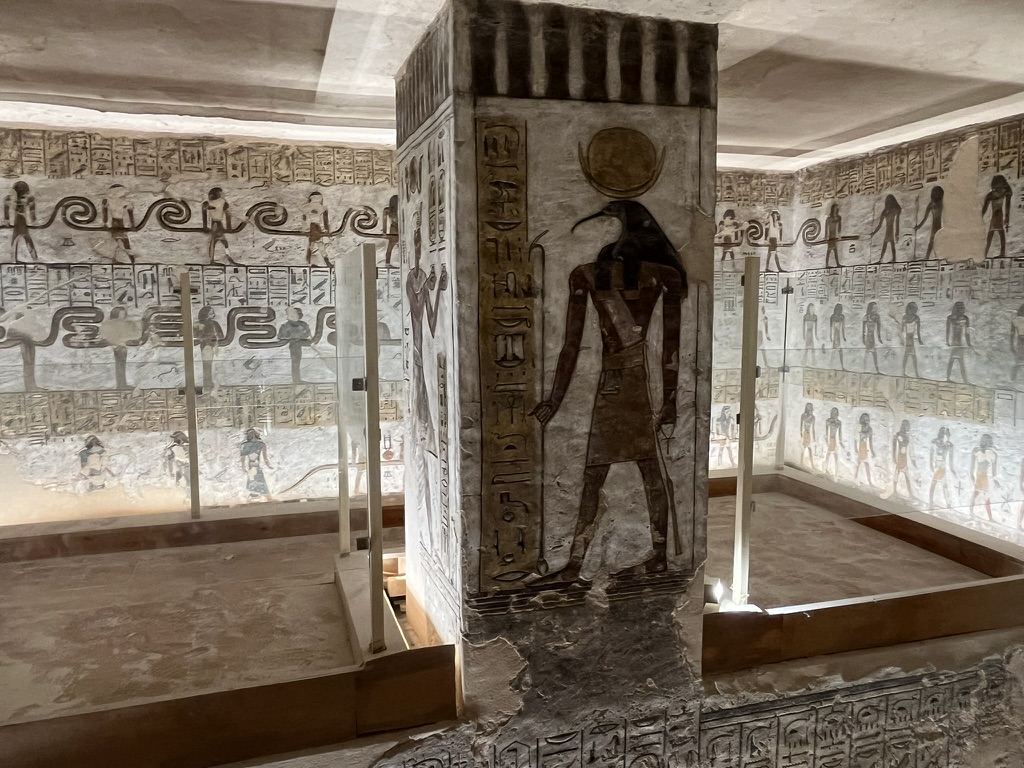
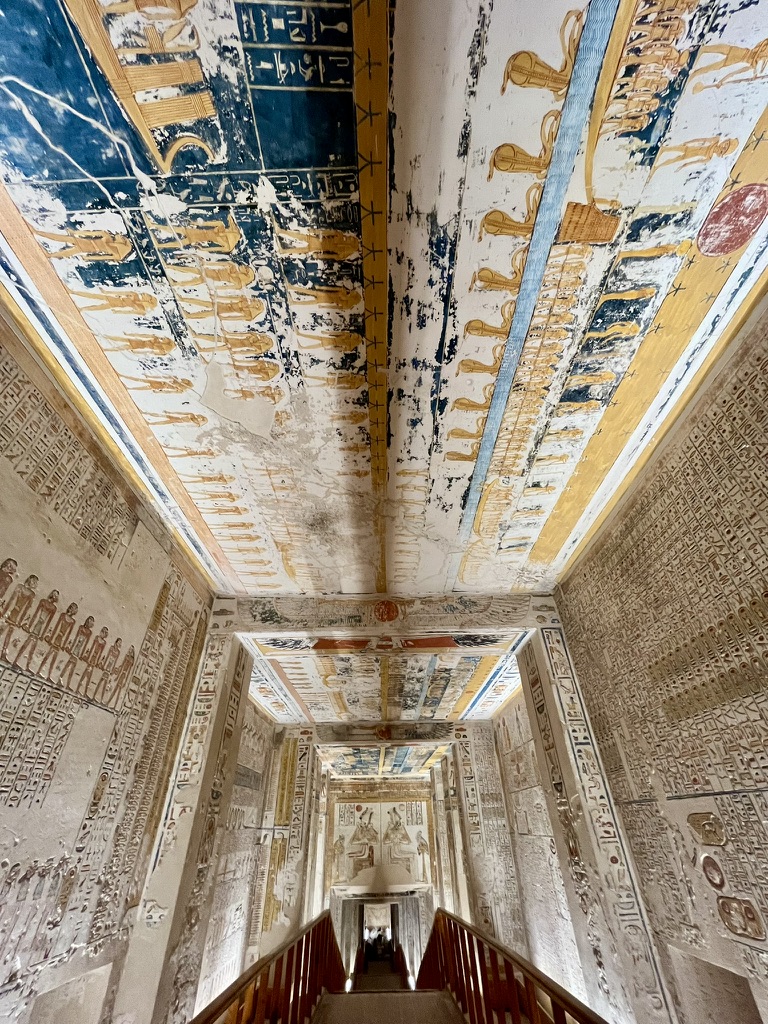
The essential extra ticket, and the tomb to end your visit on. Because KV9 requires a separate purchase, it is consistently emptier than the standard-ticket tombs — on our visit, it was nearly deserted, giving us what felt like a private viewing of the most elaborately decorated tomb in the valley. Used first by Ramesses V and enlarged by his uncle Ramesses VI, it has long corridors, multiple chambers, and a decoration programme covering the complete Book of Gates and Book of Caverns on virtually every wall surface.
The burial chamber ceiling — the body of the sky goddess Nut arching over a midnight-blue field of astronomical figures — is the single most visually extraordinary interior in Luxor. Save it for last. The near-empty corridors in the afternoon justify the timing entirely.
A strong first tomb, particularly if this is your first time underground in the Valley. The descending corridor is wide and well-lit, the colours are vivid and exceptionally preserved, and the scale of the burial chamber — enormous sarcophagus still in place, painted ceiling arching overhead — lands with immediate impact. After days of open-air temples and sun-bleached stone, the complete enclosure of a fully painted royal tomb is genuinely arresting. KV2 delivers that first shock well. It is also less mobbed than some of the more famous options, which makes it a clean and satisfying start.
Longer and more complex than KV2, with a greater number of decorated side chambers branching from the main corridor. Much of the painting is protected behind glass panels — necessary for conservation, though the barriers reduce the feeling of direct encounter with the art. The tomb is one of the longest in the valley, and walking the full length of the side rooms as well as the main axis takes time. Worth doing carefully rather than quickly. Some of the best painted details in KV11 are in the side rooms that visitors rush past on the way to the burial chamber.
Less immediately striking than KV2 or KV11, but revealing for a different reason. This tomb was begun for Queen Tausert — one of Egypt’s rare female pharaohs — and subsequently enlarged and co-opted by Setnakht, the founder of the 20th Dynasty, who had her cartouches replaced with his own. The multiple construction phases are legible in the architecture as you move through the chambers, making it more interesting for those with some prior knowledge of the period. Good as a secondary choice alongside KV2 or KV11; slightly less satisfying as a standalone pick for a first visit.
💡 The Sequencing Rule
Visit KV2 first (the revelation of entering a tomb for the first time, in a relatively accessible space), KV11 or KV14 second, and save KV9 for last. Arriving at KV9 after the others — when the afternoon has thinned the crowds — gives you the near-empty corridors that make the extra ticket worth every piaster. Visiting KV9 first is a common mistake; the contrast with the standard-ticket tombs is part of what makes it land.
✍️ Note from the Author: Photography Rule is Relaxed
It used to be that photography is prohibited inside all Valley of the Kings tombs, enforced by guards stationed in each chamber. However, this has been relaxed, at least for cell phones. We had no problem filming with our cellphones.
IX. Colossi of Memnon
On the open plain between the West Bank road and the limestone cliffs, two enormous seated statues rise from the flat ground with no surrounding structure and no visible context. These are the Colossi of Memnon — 18-metre quartzite figures of Amenhotep III that once flanked the entrance to his mortuary temple, the largest ever built in Egypt. The temple is gone, erased by floods and centuries of stone-quarrying. Only the two seated figures remain.
They are best absorbed on the return from the Valley of the Kings — your driver will stop without being asked, and the 15–20 minutes you spend standing at them is more than sufficient. They are not a full destination in themselves, but they are genuinely affecting: the scale of what was lost, reduced to two survivors on an open plain, registers as a kind of absence you feel before you fully articulate it. Entry is free.
X. The City Itself: Markets, Feluccas & the Unplanned Day
Luxor rewards the day with no agenda almost as much as it rewards the one built around a specific site. The city has a genuine rhythm of its own — local markets in the morning, a long slow midday, then the Corniche coming alive in the late afternoon as the light over the Nile turns golden. Building one unscheduled half-day into a Luxor stay is one of the best decisions you can make.
The Local Market
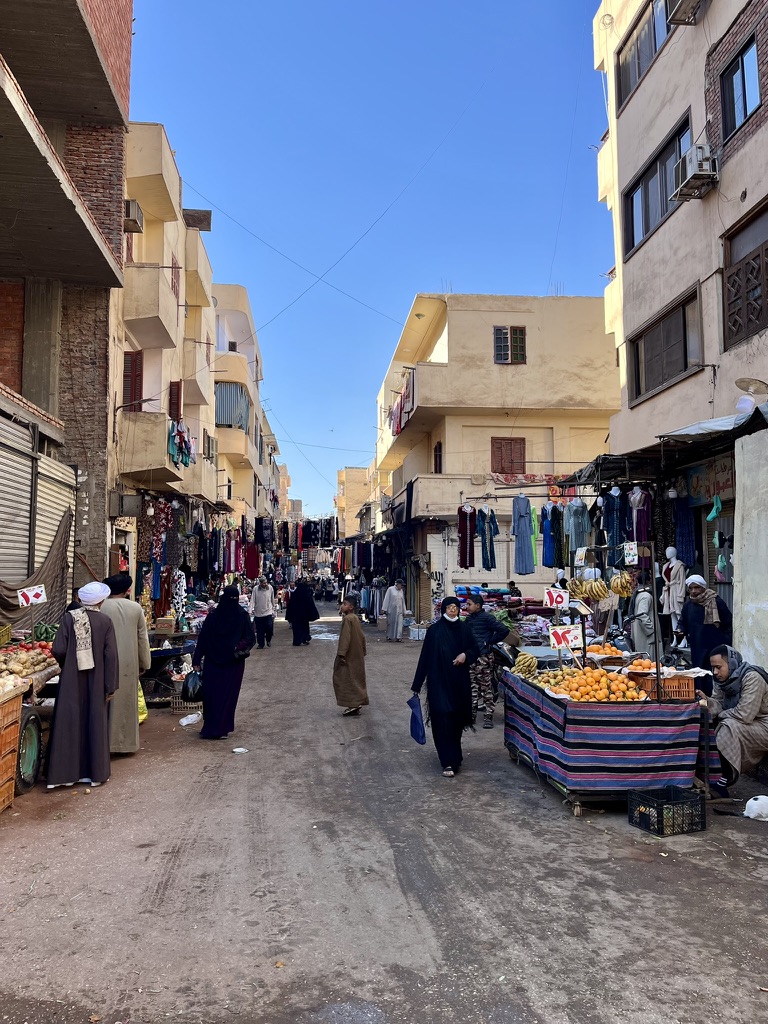
The Luxor market is a working street market — not primarily a souvenir bazaar, though those exist nearby, but a row of stalls selling fruit, vegetables, spices, and daily goods to local people. Egyptian fruit, grown year-round in relentless sun, is exceptional.
We picked up strawberries and oranges on two separate mornings. Oranges were 15 EGP per kilo — roughly 30 cents. The market has a strong Khan el-Khalili energy without the tourism overlay: people are shopping, not performing. Walk through it slowly and buy something.
The Square in Front of Luxor Temple
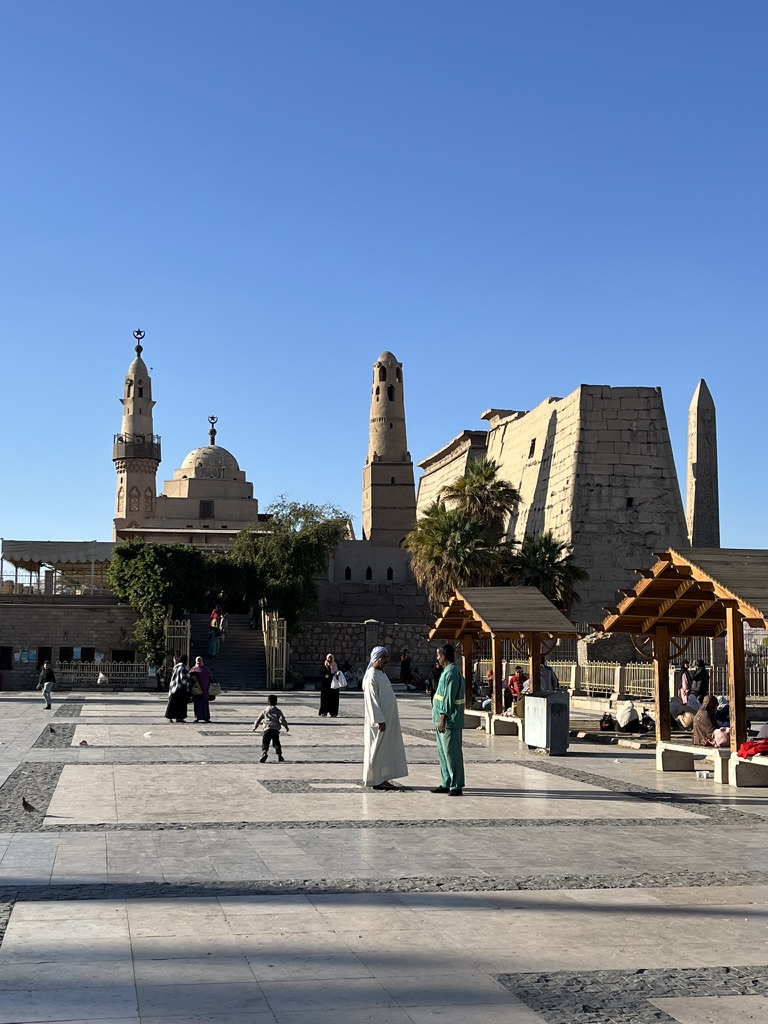
In the late afternoon, the open square outside Luxor Temple fills with quiet city life — locals feeding pigeons, families on evening walks, children on bicycles, a man selling sugarcane juice from a cart. It is an ordinary scene that accumulates into something better than many planned attractions. Sit somewhere, order a juice, and watch Luxor come to you for 20 minutes. The temple will still be there when you’re ready.
The Nile Felucca at Sunset
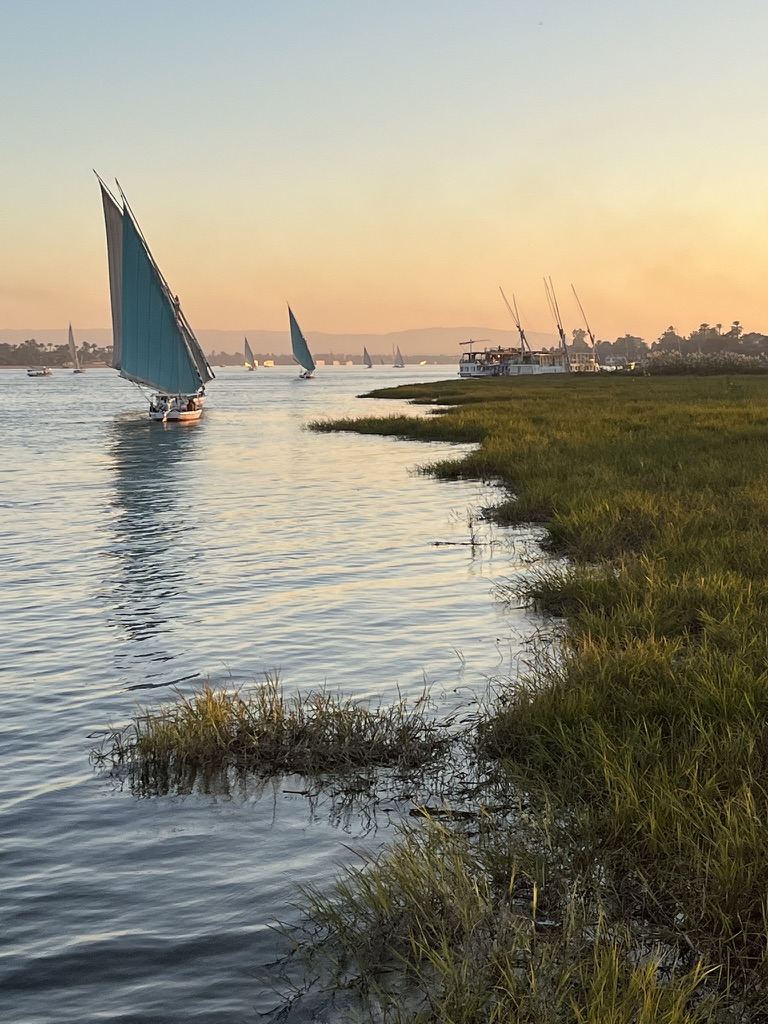
The Corniche in late afternoon is lined with feluccas — traditional wooden Nile sailboats — and their owners. Negotiate before boarding: our rate was $10 for a sunset cruise with two cousins who served tea, played drums, and let the Nile do the rest. The West Bank cliffs turn from pale limestone to deep ochre to dusty rose as the sun descends, the silhouettes of felucca masts cutting across the water. We tipped them $10 at the end. Their smiles, as our notes record, were priceless.
Food in Luxor
The best food in Luxor is consistently found one block off the tourist path. Restaurants directly facing Luxor Temple or the main Corniche serve acceptable food at prices calibrated for foreign visitors. A rooftop restaurant a short walk inland — where the view is still good but the clientele is mixed — is reliably better. We found one with no signage and no English menu on our first free day. The food arrived slowly, in the Egyptian way, and was completely worth it.
On our last morning, wandering the local streets, a three-storey building with no particular visible exterior led us to a restaurant serving koshari — Egypt’s national dish of rice, lentils, pasta, and spiced tomato sauce. We ordered a variation with chicken and beef. It was excellent, the sauces unidentified but delicious. Bottled water appeared automatically on the table, as if by house rule. No questions asked.
💡 Fresh Juice is Non-Negotiable
Egypt’s year-round sun produces some of the finest fresh fruit in the world, and the juice carts throughout Luxor — sugarcane, mango, orange, strawberry — are among the best things you can put in your body in this climate. Order one wherever you see them. The sugarcane juice our horse cart driver bought us mid-ride was icy, sweet, and briefly made the entire billing confusion beside the point.
Where to Stay
Stay on the East Bank. The West Bank is quieter and closer to the royal tombs, but it is also more isolated from the city’s evening life — restaurants, markets, the Corniche, the square by Luxor Temple. For a multi-day visit, the East Bank gives you far more flexibility for the spontaneous hours between sightseeing days.
Most East Bank hotels are within walking distance of Luxor Temple and the Corniche. Ask for a room away from the street on arrival — the back rooms are quieter and our hotel owner offered us one unprompted, which set a tone of warmth that held for three days.
XI. Tickets, Hours & Practical Logistics (2026)
Luxor Travel Guide: Ticket Prices
| Site | Standard | Student (ISIC) | Notes |
|---|---|---|---|
| Karnak Temple | 220 EGP | 110 EGP | Includes main Amun precinct. Sound & Light show is a separate evening ticket. |
| Luxor Temple | 220 EGP | 110 EGP | Open until 9 p.m. Same ticket covers the north Avenue of Sphinxes entrance. |
| Temple of Hatshepsut | 220 EGP | 110 EGP | Electric tram from car park to entrance included. |
| Valley of the Kings | 240 EGP | 120 EGP | Standard ticket = 3 tombs of your choice from the open rotation. |
| KV9 add-on (Ramesses V/VI) | 100 EGP | 50 EGP | Separate ticket — strongly recommended. Almost always less crowded. |
| KV62 add-on (Tutankhamun) | 300 EGP | 150 EGP | The mummy is here. His treasures are at the GEM in Giza. |
| Colossi of Memnon | Free | Free | Open roadside site. No ticket required. |
💡 ISIC Card: Worth the Full Day Difference
All site tickets are half-price with a valid ISIC student card. Across Karnak, Luxor Temple, Hatshepsut, and Valley of the Kings with KV9, the full-price total is 1,000 EGP; the student total is 500 EGP. That difference covers two nights in a comfortable Luxor hotel. Bring the physical card — some sites accept it on a phone, others require the card in hand.
Luxor Travel Guide: Opening Hours (2026)
| Site | Summer | Winter | Ramadan |
|---|---|---|---|
| Karnak Temple | 6:00 AM – 5:30 PM | 6:00 AM – 5:00 PM | Check ahead |
| Luxor Temple | 6:00 AM – 9:00 PM | 6:00 AM – 9:00 PM | Check ahead |
| Temple of Hatshepsut | 6:00 AM – 5:00 PM | 6:00 AM – 4:00 PM | 6:00 AM – 4:00 PM |
| Valley of the Kings | 6:00 AM – 5:00 PM | 6:00 AM – 4:00 PM | 6:00 AM – 4:00 PM |
Luxor Temple’s 9 p.m. closing time is one of the most useful facts in this entire guide. It means you can complete a full West Bank afternoon, return to your hotel, rest, eat, and still arrive at Luxor Temple at 7 p.m. for two hours of floodlit evening with thinner crowds and the best light of the day. This sequence — West Bank by day, Luxor Temple by night — is the optimal Luxor structure and requires no compromise.
XII. Luxor Quick-Reference Cheat Sheet
Screenshot this before your trip. Every key decision for the main Luxor attractions, transport, and practical logistics in one place.
📋 Luxor Main Guide — Quick Reference — Screenshot This
| Item | The Pro Move |
|---|---|
| Transport | No Uber in Luxor. Book driver through hotel — they brief the driver in Arabic so nothing gets lost. |
| West Bank day cost | ~$20 hotel driver covers Hatshepsut + Valley of the Kings + Colossi return. |
| West Bank driver tip | Text when you’re ready — a good hotel driver waits and responds promptly. |
| Horse carts | Fun and authentic — but always agree price, route, and who pays before the cart moves. |
| “La, Shukran” | No, thank you in Arabic. Say it once, calmly, keep walking. Ends every sales approach in 3 seconds. |
| Small notes | Always carry 5, 10, 20 EGP. Large bills cause friction at every small transaction in Luxor. |
| ATMs | Use East Bank ATMs before crossing. West Bank options are limited. |
| Karnak timing | Afternoon (2 p.m.+) for thinner crowds. Allow 2.5–3 hours minimum. |
| Karnak hidden quiet | Walk past the second pylon and turn off the main axis — outer courts are often nearly empty. |
| Sacred Lake scarab | Circle it 7 times. It produces a smile at minimum. |
| Avenue of Sphinxes | Walk it — don’t skip it for a car. South from Karnak to Luxor Temple. Best in the late afternoon. |
| Luxor Temple | Go at dusk. Open until 9 p.m. Floodlit atmosphere is exceptional. West Bank day + evening here = perfect sequence. |
| Hatshepsut timing | Arrive around 11 a.m. — tour groups have cleared. Electric tram from car park. |
| Valley of the Kings | Arrive at 11 a.m. Eat a full meal before coming — the cafeteria is chips and biscuits only. |
| KV9 add-on (100 EGP) | Buy it. Near-empty corridors + the finest astronomical ceiling in Luxor. Visit it last. |
| Tomb order | KV2 first → KV11 or KV14 second → KV9 last. Build toward the best. |
| No photography | Strictly enforced inside all tombs. Accept it before you arrive, not after. |
| Colossi of Memnon | Driver stops on return from Valley. 15–20 min. Free entry. Don’t skip — they’re affecting. |
| Felucca sunset | Negotiate from the Corniche. ~$10 for a sunset cruise. Tip separately. |
| Market fruit | Every morning. Oranges 15 EGP/kg. Strawberries exceptional. Egyptian produce is genuinely among the world’s best. |
| Fresh juice | Sugarcane and mango carts everywhere. Order at every opportunity. |
| Stay East Bank | Better food, walkable, evening life. West Bank is quieter but isolated from the city. |
XIII. Frequently Asked Questions
Do I need a guide for Karnak and the Valley of the Kings?
For the Valley of the Kings, no. The tombs are individually accessible, clearly lit, and signposted well enough for self-guided exploration. For Karnak, a guide adds real value on a first visit — the complex spans 2,000 years of construction across more than 30 pharaohs, and the layered history is genuinely difficult to absorb without some framework. Even a 45-minute guided orientation at the entrance, followed by free independent wandering, is more useful than trying to decode it entirely alone.
Guides are available at the entrance gate and negotiate easily. The Tombs of the Nobles on the West Bank are the one place in Luxor where a knowledgeable Egyptologist genuinely transforms the experience — see the companion guide for more on that.
Why arrive at 11 a.m. rather than at opening for the Valley of the Kings?
Nile cruise ships dock in Luxor and dispatch tour groups to the Valley of the Kings between roughly 7 and 10 a.m. — the earliest, “best” morning slot. By 11 a.m., most convoys have moved on to the next stop on their itinerary, and the valley is noticeably quieter.
The tombs themselves are underground and cool regardless of outside temperature, so the heat argument for going early does not apply here as strongly as at open-air sites. Starting at 11 a.m. gives you the quietest version of the experience without requiring a 5 a.m. start.
Is KV9 worth the extra ticket if I’ve never been to the Valley before?
Yes, emphatically. KV9 (the tomb of Ramesses V and VI) is the most elaborately decorated tomb you can access in the Valley of the Kings, and the separate ticket means it is reliably less crowded than the standard-ticket tombs. The astronomical ceiling in the burial chamber — a midnight-blue vault of figures and constellations with the full body of Nut arching overhead — is the most visually extraordinary interior in Luxor, full stop.
At 100 EGP (50 EGP for students), it is one of the best-value upgrades anywhere in Egypt. Visit it last when the afternoon crowds have thinned.
Can I walk the Avenue of Sphinxes independently, or do I need a ticket for Karnak?
The avenue itself can be walked without entering either temple. The full 2.7 km pedestrian route between the two temple complexes is accessible as a standalone walk. To enter Karnak from the avenue, you need a Karnak ticket; to enter Luxor Temple at the northern end, you need a Luxor Temple ticket.
Walking the avenue without entering either is possible and still worthwhile for the route itself — but since you will almost certainly want to enter Luxor Temple at the end, buy that ticket before starting the walk.
Is three days in Luxor actually necessary, or can I do it in two?
Two days covers the famous highlights: Karnak and Luxor Temple on Day 1, Hatshepsut and the Valley of the Kings on Day 2. You will have a good Luxor experience. What a third day adds — the off-the-beaten-path sites covered in the companion guide — is the perspective that makes the famous sites make sense.
The artisan tombs at Deir el-Medina show you who built the Valley of the Kings. The Nobles’ tombs show you how the governing class of the same civilisation imagined their own afterlife. Medinet Habu shows you the same temple tradition without the crowds of Karnak. Without that third day, Luxor is impressive. With it, it is complete.
How do the Valley of the Kings tombs relate to the treasures at the Grand Egyptian Museum?
The Valley of the Kings is where the royal dead were placed; the GEM in Giza is where almost everything found with them now lives. Tutankhamun is the clearest example: KV62 in the Valley holds his mummy, still in the tomb where Howard Carter found it in 1922. But everything Carter excavated — the golden mask, the inner coffin, the golden throne, the meteoritic dagger, the canopic shrine — is now at the GEM in its own purpose-built galleries.
Visiting both sites in sequence tells a single story that neither can tell alone. The Valley gives you the architecture and the painted universe of the royal afterlife; the GEM gives you the objects that filled it.
📍 Related Guides in This Series
- Luxor’s West Bank Hidden Treasures: Deir el-Medina, the Nobles & Medinet Habu (2026) — the companion guide. The artisan village, the Tombs of the Nobles (Nakht, Menna, Sennefer), and Medinet Habu temple. The sites most tour groups never reach — and the most intimate ancient experience in Luxor. Includes its own ticket logistics, tomb-by-tomb guide, and cheat sheet.
- Part 3 of My Egypt Diary — the full narrative of our Luxor days, including the felucca cousins, the horse cart billing drama, and the driver who narrated our departure landmark by landmark out the window: “Bye bye hotel. Bye bye Luxor Temple. Bye bye…”.
- Part 1 and Part 2 of my Egypt Diary for other Egypt locations.
- The Grand Egyptian Museum (GEM): The Complete Self-Guided Visitor’s Guide (2026) — the GEM in Giza houses many of the objects that were extracted from Luxor. The two destinations are linked by more than geography.
- Master Egypt Itinerary: The Complete Self-Guided Blueprint — how Luxor’s three days fit into the full Egypt trip structure, from Cairo to Aswan and back.

Hi, I’m Frank J – Egypt Self-Guided Travel. I explore Egypt solo and share tips, stories, and practical advice to help you plan your own adventures safely and enjoyably.